


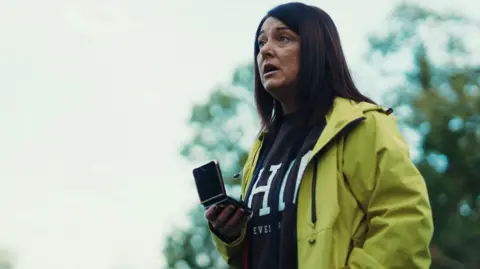
While filming an discussion near a local recreational area in the community, a woman approached.
May I inquire why you’re encouraging these people to sit in this park?” she asked while recording the conversation on her phone.
The individual we were discussing with for our report was staying in a close refugee accommodation, where heated rallies had been happening since the warmer months.
The individual mentioned that individuals from the hotel had been approaching local youths, and requested that we move our interview to another location.
Then, a number of asylum seekers who we didn’t see playing football nearby came over the hill.
She informed me it was my fault they were there and if “something occurs here, it’s on you.”
The woman shared her footage to the online platforms. It was viewed millions of times after being shared by right-wing influencers.
She was celebrated as a hero for standing up for local residents.
I was bombarded with threats and threatened that I should stay out of the town.
I disagree that my conversation with this man, who later withdrew consent its use, put anyone in danger.
But this incident, and its repercussions, gave me possibly the sharpest insight yet into the concern some within the area – and further afield – have about refugees in their neighborhoods.
Local Worries and Protests
There are about 6,300 people seeking asylum in the region, many of whom entered via craft across the sea.
About a 25% stay in facilities while the administration evaluates whether to give them sanctuary.
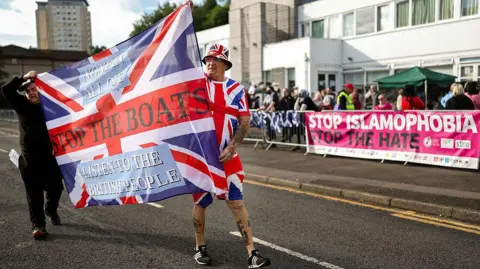
We’ve spent the last few weeks recording at demonstrations against the hotels around the nation.
In the community, there are more than over eleven thousand individuals on the accommodation register, awaiting new homes. There is anger at a belief that these men – and it is only men in the local facility – have received priority.
Asylum seekers are not usually allowed to work while their requests are being processed and get an payment of one pound forty-two a day to survive on. With complimentary dining, lodging and no costs to pay, it sticks in the throats of many.
“They have entertainment, they’re getting heating, they have clothing, they have phones, they receive medical care and if you believe that’s appropriate in our nation right now, I do not.”
Mobile phones are not supplied by the government but are frequently provided to Cladhan residents by charities who assist them.
Protection Concerns and Community Conflict
The men in the hotel come from a range of nations, including Iran, the continent and another region, and all claim they need sanctuary from persecution.
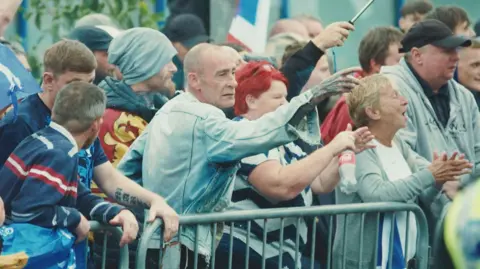
Periodically we could see them looking from behind covered windows, as shouts of “Return them! Send them home!” ricocheted through the neighborhood.
The building was formerly a popular venue for wedding receptions, milestones and functions.
Little notice was given or discussion held with the neighborhood that up to 90 individuals were going to be placed here in recent years.
“There exists a feeling that a matter is being imposed on them from 10,000ft by authorities who are unaware and uninterested what the effect is going to be.”
All the financial outlays of accommodating individuals in temporary facilities, about a significant amount a year across the UK, are met by the administration.
Falkirk Council’s leader stated no individual was awarded preference over anyone else.
But it’s not just demand on facilities which has got individuals out on the streets. There is anxiety, too.
Previous hotel occupant Sadeq Nikzad, from a foreign country, was sentenced in the summer for the sexual assault of a underage local female.
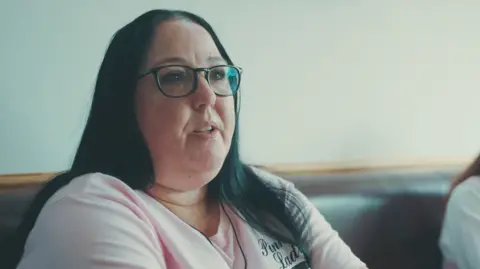
“It devastated me to know that that young woman’s life was ruined.”
“We must not be walking about in fear,” she stated.
In recent times, the time of Nikzad’s offense, there were 82 reports of violent crimes in the area.
Law enforcement indicates it does not maintain information detailing whether perpetrators are asylum seekers or not.
From publications, it suggests an incident was committed by an individual that time – by Nikzad.
“Residents are also involved, but the reality is that the vessels are still coming. They [the asylum seekers] have a different belief.”


